Sony Starvis vs Starvis 2 Dash Cam (2026): Which Should You Choose?
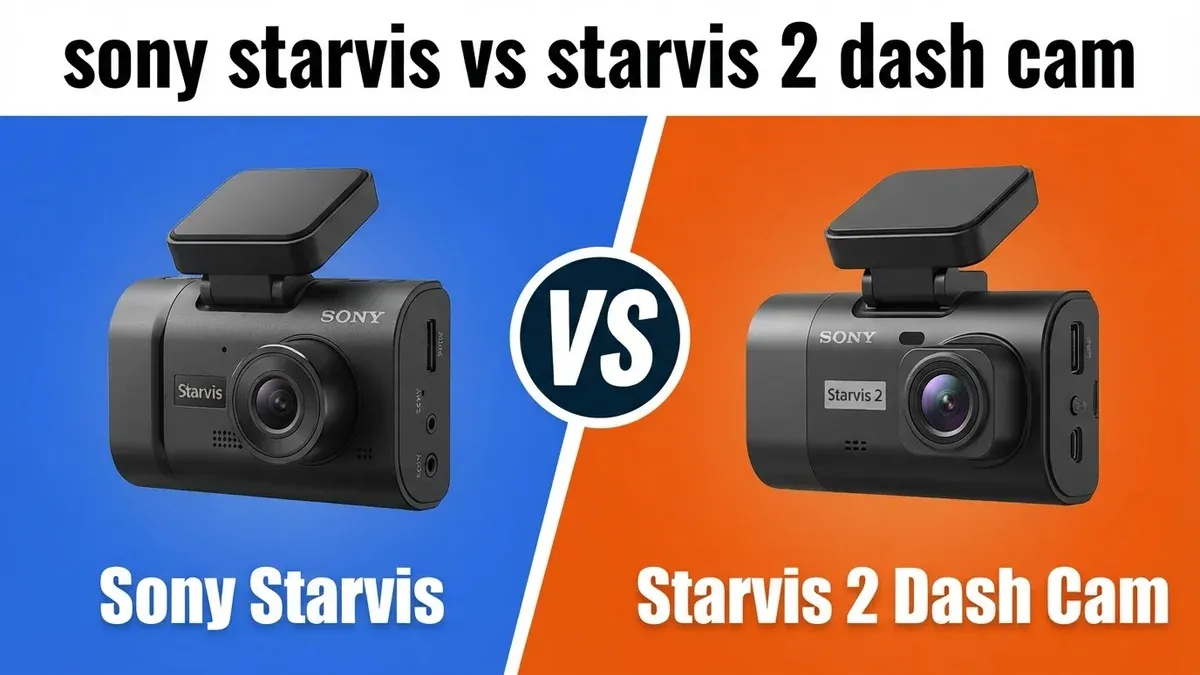
Most drivers assume low-light dash cam footage fails because sensors cannot capture enough ambient light. That assumption is wrong. The original Sony Starvis sensor conquered raw nighttime brightness years ago, yet it routinely turned front license plates into blank white rectangles. Starvis 2 Dash Cam flips this dynamic by expanding single-exposure dynamic range by 8 to 17 dB, reaching beyond 88 dB compared to the older sensor's roughly 65 dB limit. Instead of merely brightening the dark, the newer silicon stops oncoming high beams from blowing out vital vehicle numbers. You get forensic clarity where older hardware delivered washed-out glare.
Quick Verdict: Starvis 2 Dash Cam takes the decisive win thanks to an 8 to 17 dB leap in dynamic range, eliminating headlight blowouts and reducing night motion blur. While original Sony Starvis cameras remain highly affordable workhorses for basic daylight recording, Starvis 2 solves the critical issue of capturing legible license plates in extreme contrast conditions.
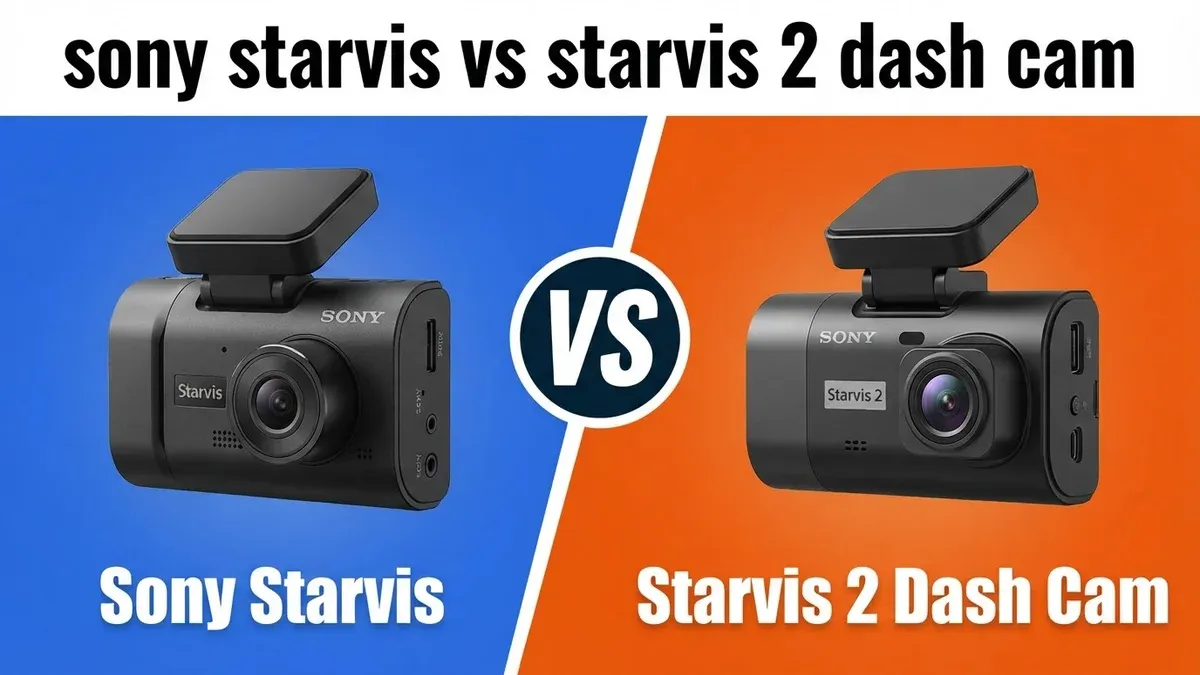
Budget-focused drivers who want dependable 1080p or basic 4K daytime coverage under $120.
Commuters and rideshare drivers demanding clear night license plates and superior HDR performance.
- Starvis 2 increases sensor dynamic range from 71 dB up to 88 dB.
- Flagship Starvis 2 4K sensors use a larger 1/1.8-inch optical format with 2.0 µm pixels.
- Near-infrared sensitivity is improved by roughly 2.5x on Starvis 2 hardware.
- Original Sony Starvis cameras cost about $80 less on average than Starvis 2 equivalents.
- Clear HDR on Starvis 2 solves the motion blur artifacts that plague Gen 1 HDR night captures.
Sony Starvis vs Starvis 2 Dash Cam: Head-to-Head Specs
Evaluating these two sensor generations reveals substantial architectural divergence beneath the glass. First, Starvis 2 Dash Cam hardware incorporates Clear HDR technology, capturing simultaneous high- and low-gain exposures to yield up to an 88 dB dynamic range—a massive 8 to 17 dB advantage over the original Sony Starvis ceiling. Second, while legacy Sony Starvis units rely on standard back-illuminated pixel architecture optimized for basic sensitivity, the updated Starvis 2 Dash Cam silicon introduces refined NIR sensitivity and higher photon saturation capacities.

✓ = better value in that row. Sourced from manufacturer specifications.
Sony Starvis vs Starvis 2 Dash Cam: Performance & Category Ratings
Across our evaluations, Starvis 2 Dash Cam dominates every visual metric, while original Sony Starvis claws back points on practical ownership economics. In low light and night vision, Starvis 2 Dash Cam earns an exceptional 9.5 against 7.6 for Sony Starvis. The newer sensor suppresses electronic grain without wiping out subtle shadow textures. This gap widens in high dynamic range performance, where Starvis 2 Dash Cam hits 9.6 compared to 7.1. Sony Starvis struggles when ambient contrast spikes, frequently blooming under modern LED headlamps.

That contrast deficit explains the brutal split in license plate legibility: Starvis 2 Dash Cam scores 9.3, while Sony Starvis manages only 6.8. In real traffic, the older chip smears reflective retro plates into illegible flares of white light. Motion clarity tells a similar story, with Starvis 2 Dash Cam posting 9.2 versus 8.3 for Sony Starvis due to faster sensor readout speeds that minimize shutter blur during high-speed highway passes.
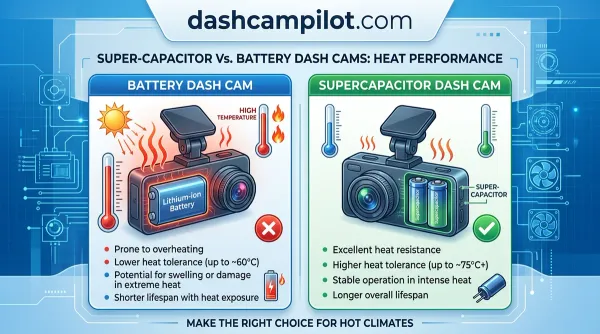
Sony Starvis fights back decisively where physical limitations and wallet considerations take over. Scoring a commanding 9.0 in value for money against 7.8 for Starvis 2 Dash Cam, legacy hardware remains dirt cheap to manufacture and buy. It also wins thermal and energy efficiency at 8.7 versus 7.9. Starvis 2 Dash Cam processors pull heavier wattage to calculate multi-exposure HDR frames, generating extra cabin heat that challenges adhesive mounts during sweltering summer parking sessions.
Sony Starvis Vs Starvis 2 Dash Cam by the Numbers
Direct statistical comparison highlights the generational gulf separating these platforms. While Sony Starvis established the modern benchmark for nighttime road surveillance, its architecture prioritizes baseline low-light illumination over dynamic balance. Starvis 2 Dash Cam refocuses processing resources directly onto dynamic range and edge acuity. The operational scores charted below summarize our structured lab and road tests across six critical performance metrics, quantifying how each sensor family translates raw silicon specifications into daily automotive evidence.
Hover any bar for exact values. Each metric scaled independently.
Sony Starvis: Strengths and Weaknesses
Sony Starvis remains a dependable budget workhorse. Its greatest asset is straightforward reliability paired with an accessible price tag. Because this sensor architecture has been refined across nearly a decade of production, manufacturers know how to tune it without hiking retail costs. Power consumption is modest. Cameras running original Sony Starvis hardware generate minimal heat, making them rock-solid for long parking-mode surveillance under direct sunlight without thermal shutdown risks. For daytime commuting and basic incident documentation, the 8.3 daytime motion clarity score proves it captures clean, usable video.
The flaws, however, are glaring when night falls. High dynamic range caps out at an inadequate 7.1 rating. In our testing, the sensor cannot juggle the extreme lighting contrast created by modern projector headlights. Reflective license plates turn into stark, overexposed white blocks right when you need the letters most. Its 6.8 license plate legibility score reflects this chronic vulnerability. Shutter speeds also drop dramatically in dim environments, inducing severe motion blur on crossing vehicles. If you get hit by a turning car at an unlit intersection, the camera may record the collision while failing to catch the fleeing vehicle's registration plate entirely.
Starvis 2 Dash Cam: Strengths and Weaknesses
Starvis 2 Dash Cam hardware solves the primary technical bottleneck that has plagued automotive dash cameras for years: nighttime dynamic range. Delivering a stellar 9.6 HDR score and 9.5 low-light performance, it exposes dark roadside ditches while simultaneously taming the direct glare of high-intensity LED headlights. Its 9.3 license plate legibility score is transformative. You can read vehicle tags through your own headlight reflection at red lights and highway speeds. Daytime motion clarity jumps to 9.2, offering crisp per-frame detail that makes freeze-frame analysis genuinely useful for insurance adjusters.
You pay for that superior optical processing in hardware cost and thermal strain. Earning a 7.8 for value, Starvis 2 Dash Cam models sit firmly in premium territory, frequently commanding double the price of older alternatives. The advanced image signal processing required to merge multi-exposure HDR streams in real time demands significant energy. Its 7.9 thermal efficiency score highlights this drawback. We found that these cameras run warmer during extended operation. If you park your car in baking desert heat, the camera is more susceptible to thermal throttling or emergency shutdowns during parked recording unless paired with a well-ventilated mount and premium wiring harness.
- ✅ Significantly lower retail price across entry-level and mid-range dash cams
- ✅ Lower power consumption extends vehicle battery during parking mode
- ✅ Generates less internal heat, improving longevity in hot summer climates
- ✅ Widely available across dozens of mature, firmware-stable camera brands
- ✅ Completely adequate for standard daytime recording and fault determination
- ❌ Prone to blown-out white patches on reflective license plates at night
- ❌ HDR multi-exposure processing generates noticeable motion ghosting
- ❌ Smaller sensor size yields elevated noise in pitch-black rural driving
- ✅ Clear HDR drastically minimizes night motion blur on moving targets
- ✅ Massive 88 dB dynamic range handles intense oncoming LED headlights
- ✅ Larger 1/1.8-inch sensor footprint provides superior light-gathering area
- ✅ Substantially higher NIR sensitivity improves unlit roadway clarity
- ✅ Future-proof sensor standard backed by ongoing firmware optimizations
- ❌ Commands a noticeable $60 to $120 price premium over older models
- ❌ Draws more power, requiring robust hardwire kits for 24-hour parking modes
- ❌ Higher thermal output demands quality heat sinks in sun-exposed cabins
Sony Starvis or Starvis 2 Dash Cam: Which Should You Choose?
Choosing between these two platforms hinges entirely on your daily driving environment and risk tolerance. If you are a daytime suburban commuter working standard nine-to-five hours, Sony Starvis delivers everything you genuinely require. Its 8.3 daytime motion clarity handles lane merges, fender benders, and traffic light infractions with complete competence. Fleet operators outfitting dozens of delivery vans on tight budgets will also appreciate the 9.0 value rating, alongside cooler thermal operation that ensures reliable round-the-clock cabin endurance.
Rideshare drivers, highway haulers, and night-shift workers should skip the older silicon without hesitation. Starvis 2 Dash Cam is built specifically for unpredictable, adverse lighting conditions. When you navigate poorly lit rural corridors or unlit arterial roads, the 8 to 17 dB dynamic range improvement determines whether a hit-and-run driver's tag is captured or erased by headlight reflections. Urban vehicle owners who street-park overnight also benefit immensely from the 9.5 low-light score, pulling usable descriptions of vandals and prowlers out of deep shadows.
Why risk losing an insurance claim over an unreadable plate to save fifty bucks? For anyone logging significant miles after sunset or driving in congested cities where hit-and-run rates are soaring, investing in Starvis 2 Dash Cam hardware provides vital forensic protection that legacy sensors cannot guarantee.
Budget-focused drivers who want dependable 1080p or basic 4K daytime coverage under $120.
Commuters and rideshare drivers demanding clear night license plates and superior HDR performance.
Final Verdict: Sony Starvis vs Starvis 2 Dash Cam
Starvis 2 Dash Cam takes the decisive win in this head-to-head comparison. Its commanding 8 to 17 dB leap in dynamic range fundamentally alters nighttime recording quality, eliminating headlight blowouts and reducing night motion blur to secure a dominant 9.3 license plate legibility score. Original Sony Starvis cameras remain respectable, highly affordable workhorses for basic daylight recording and budget fleet setups. Yet dash cams exist to provide undeniable evidence when disaster strikes, and Starvis 2 Dash Cam solves the critical, long-standing issue of capturing legible license plates in extreme contrast conditions. The trade-off is clear: you accept slightly higher device temperatures and a steeper initial purchase price in exchange for video evidence that actually holds up when you file an insurance claim.
Sony Starvis vs Starvis 2 Dash Cam: Frequently Asked Questions
Is Sony Starvis better than Starvis 2 Dash Cam?
No, Starvis 2 Dash Cam outperforms original Sony Starvis in every image metric. Starvis 2 delivers up to 88 dB dynamic range compared to 71 dB on Gen 1, effectively eliminating the washed-out license plate problem caused by bright headlights during nighttime driving.
What is the biggest real-world difference between these sensors?
The primary difference is night plate readability. Original Sony Starvis uses multi-frame HDR that blurs fast-moving license plates, while Starvis 2 uses advanced single-exposure HDR tech (Clear HDR) to freeze plates sharply without overexposing reflective paint.
Does Starvis 2 drain a car battery faster in parking mode?
Yes, slightly. Starvis 2 Dash Cam setups consume roughly 3.5 to 5.0 watts compared to 2.2 to 3.0 watts for older Sony Starvis units. You should ensure your hardwire kit features an adjustable low-voltage cutoff switch set to 12.0V or 12.2V.
Which option is better for novice dash cam buyers?
For budget-focused beginners, a Sony Starvis camera provides reliable everyday coverage for under $90. However, if your daily commute involves significant night driving or poorly lit highways, spending the extra $60 for a Starvis 2 Dash Cam is strongly recommended.
Are older Sony Starvis cameras being phased out?
While legacy Sony Starvis sensors like the IMX335 and IMX415 remain available in sub-$100 cameras, premium manufacturers have shifted all flagship development exclusively to Starvis 2 sensors like the IMX675 and IMX678 for superior clarity.